
Quarry-grade aggregate. No quarry required.
CarbonRock turns demolished and returned concrete into structural aggregate that competes on cost with mined stone. Our patent-pending carbonation process armors each grain with a hardened surface of calcite, the mineral of limestone and marble, and permanently locks away 10–25 kg of CO2 in every ton.
Developed in part through a USDOT SBIR program. Now in commercial pilot with a major Southeast ready-mix producer.
A hardened surface that stabilizes and strengthens every grain.
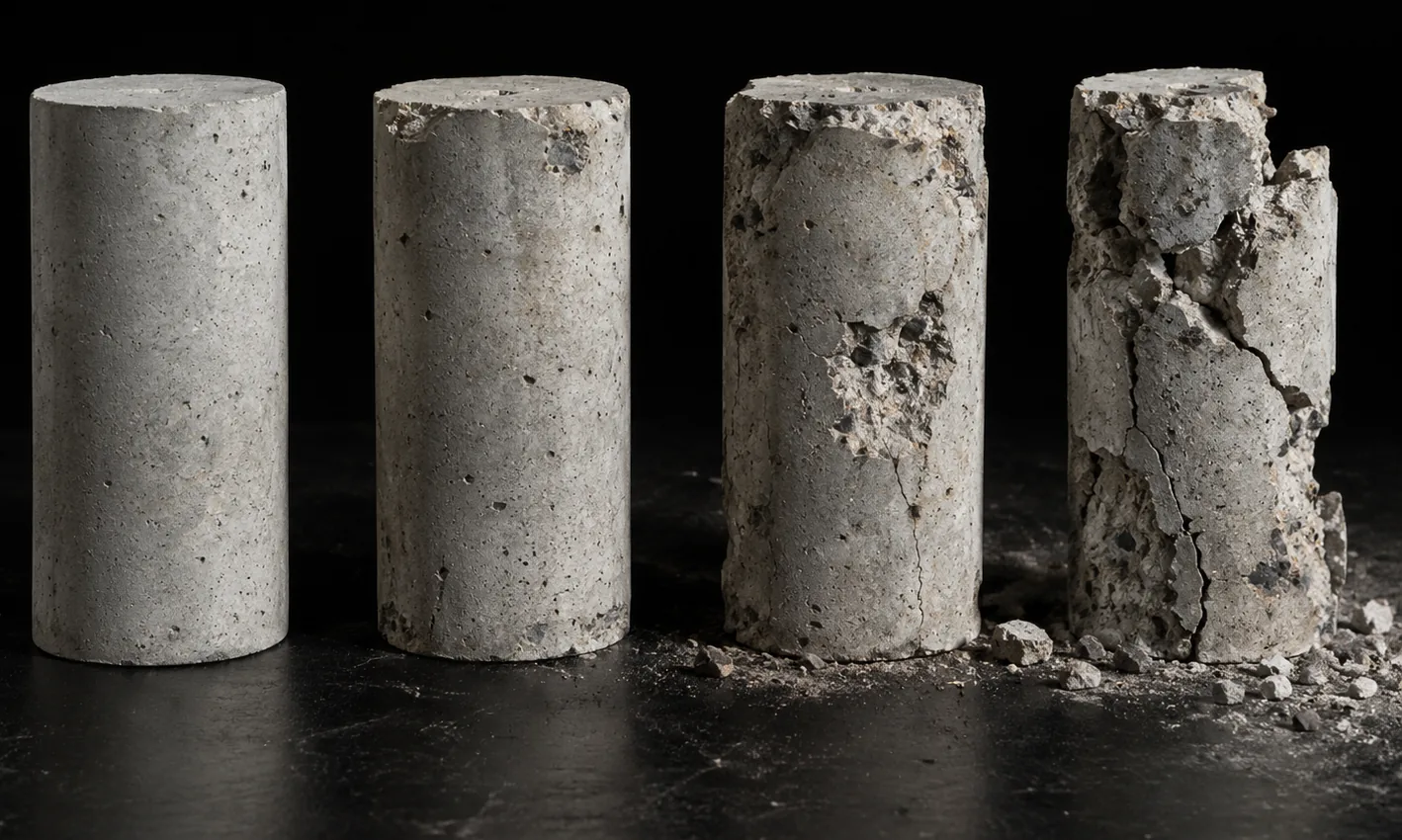
Raw crushed concrete underperforms because of the soft, porous paste coating each grain. CarbonRock converts that outer paste into a dense calcite rind that seals pores and stabilizes the particle. Concrete made with it outperforms both concrete made with raw recycled aggregate and standard mixes made with mined stone.
of concrete demolished in the U.S. every year, almost none of it made into new concrete.
of fresh concrete returned unused to ready-mix plants annually.
U.S. aggregate market: more than 2.6 billion tons of mined stone and sand a year.
rise in construction aggregate prices over the past five years.
Why old concrete makes bad aggregate, and how we fix it
Crushed concrete carries a shell of old cement paste. That paste is porous, alkaline and chemically reactive, so it absorbs water, weakens new concrete and is rarely accepted in structural mixes. CarbonRock reacts that paste with CO2 under controlled conditions, turning it into dense, stable carbonate.
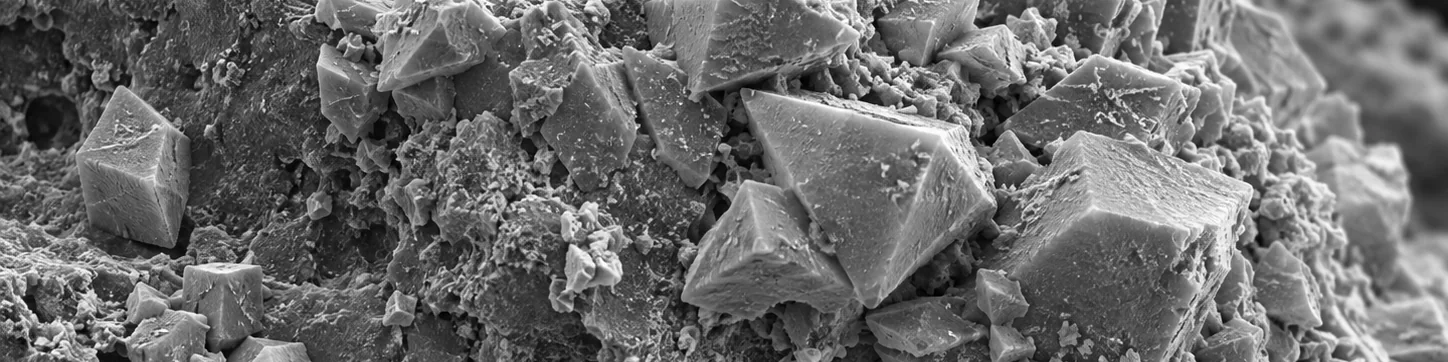
Ca(OH)2 + CO2 → CaCO3 + H2OPortlandite becomes calcite
C‑S‑H + CO2 → CaCO3 + SiO2·nH2OCalcium silicate hydrate becomes calcite and silica gel
Calcite fills pores in the paste rindThe grain’s surface densifies, and the CO2 stays mineralized permanently
Raw crushed concrete
- Rich in portlandite and hydrates
- Porous and reactive
- Highly alkaline
- Rarely accepted in structural concrete
CarbonRock™
- Calcite-rich outer rind
- Densified and stable surface
- Neutralized surface
- Meets or exceeds control strength
Two feedstocks, one continuous process
Our carbonators run continuously at commercial throughput, with a simplified valve-free design that means fewer moving parts to maintain.
Prepare the feedstock
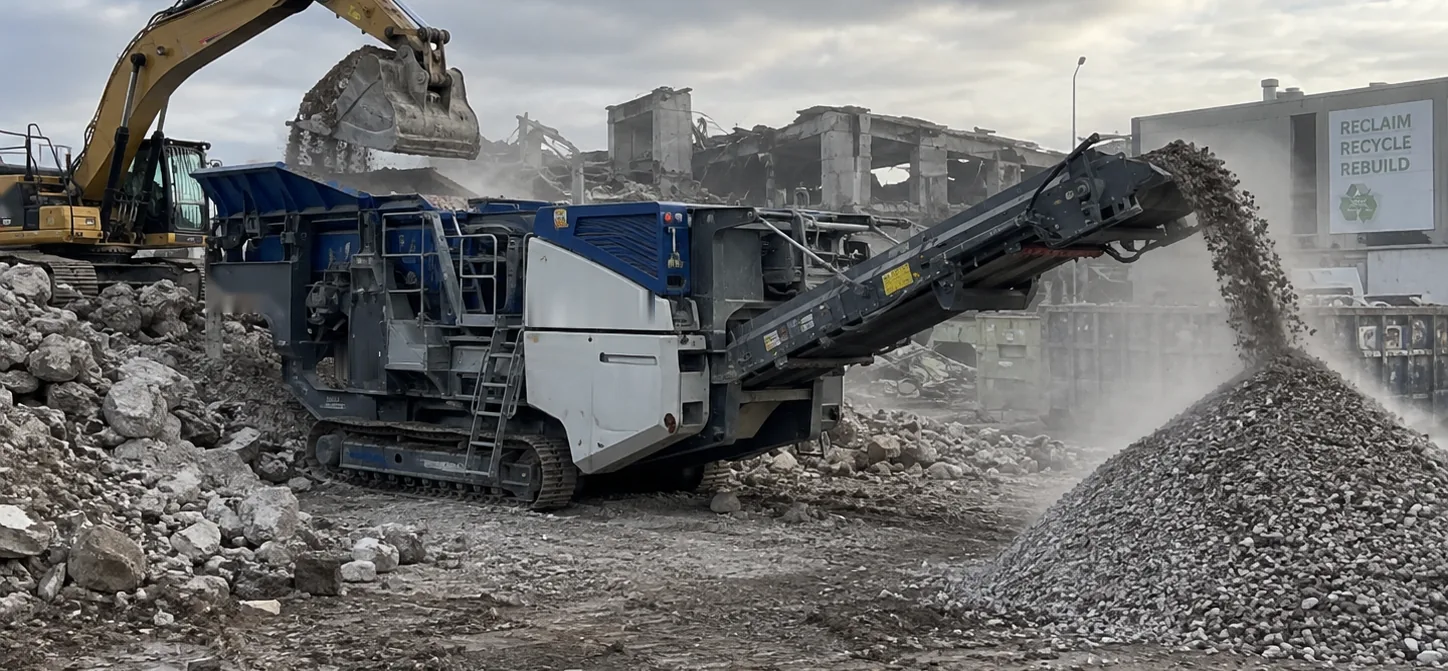
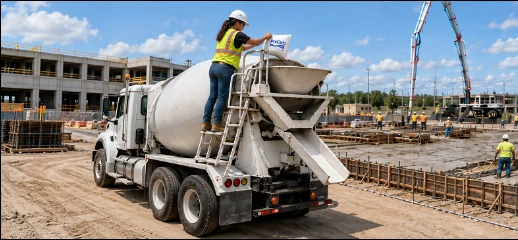
Demolition concrete is crushed. Returned wet concrete is treated in the truck with CarbonRock PreCarb™, turning a disposal cost into a higher-value feedstock.
Patent pending: PreCarb preparationCarbonate
Material moves continuously through a CarbonRock carbonator in a controlled CO2 atmosphere, converting reactive paste to calcite.
Patents pending: continuous processing, valve-free carbonationClassify and ship
Carbonated material is screened to specification into coarse stone, manufactured sand and SuperFines, ready for ready-mix and precast producers.
Tested by the people who pour concrete
Independent testing by government, university and ready-mix industry labs, including production-scale trials at commercial ready-mix plants.
Up to ~11% stronger
28-day compressive strength with 100% of the coarse aggregate replaced by CarbonRock, versus the producer’s own control mix.
- Control mix
- 25% CarbonRock coarse
- 50% CarbonRock coarse
- 100% CarbonRock coarse
Testing by a Southeast ready-mix producer, Jan–Feb 2026.
11.5% less shrinkage
Drying shrinkage with 30% of the coarse aggregate replaced by CarbonRock or by raw (uncarbonated) recycled concrete aggregate, versus the producer’s control mix. Lower shrinkage means less micro-cracking.
Testing by a Midwest ready-mix producer, Apr 2026.
- USDOT SBIR, Rutgers UniversityStructural concrete with 100% CarbonRock aggregate
- Southeast synthetic-aggregate innovatorOver 10,000 psi in a lightweight ultra-high-performance mix
- Southeast ready-mix producerOver 5,600 psi at 25% replacement
- Southeast ready-mix producerOver 5,700 psi at 100% coarse replacement
- Major U.S. ready-mix producerOver 6,500 psi at 30% coarse replacement
- Midwest ready-mix producerLower drying shrinkage at 30% coarse replacement
Products
A drop-in replacement for mined stone and sand, with lower embodied carbon: 8–18% lower global warming potential in standard concrete, backed by third-party-verified environmental product declarations.
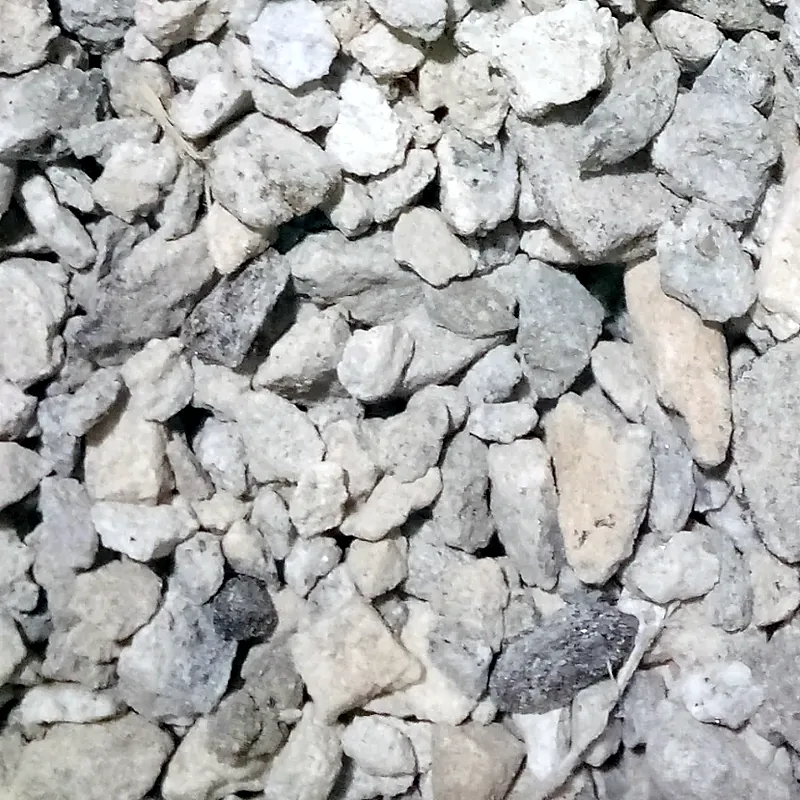
Coarse aggregate
#57 and #8 stone for structural ready-mix and precast.
25–4.75 mm (#57)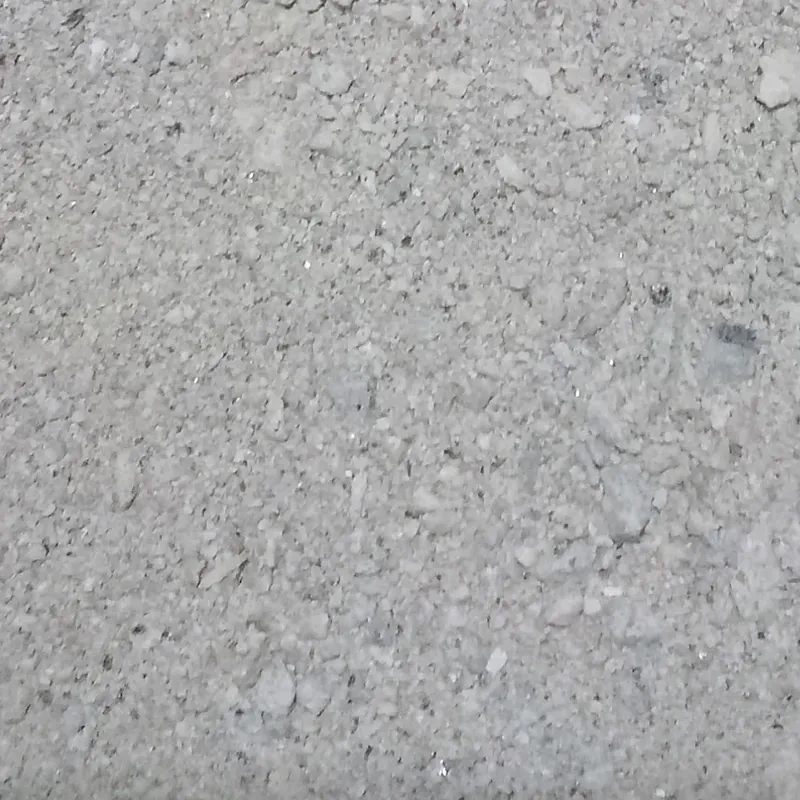
Manufactured sand
C33 concrete sand, plus mortar and masonry sand.
Under 4.75 mm
SuperFines™
A supplementary cementitious material, cement replacement or mineral filler.
Under 150 µm (100 mesh)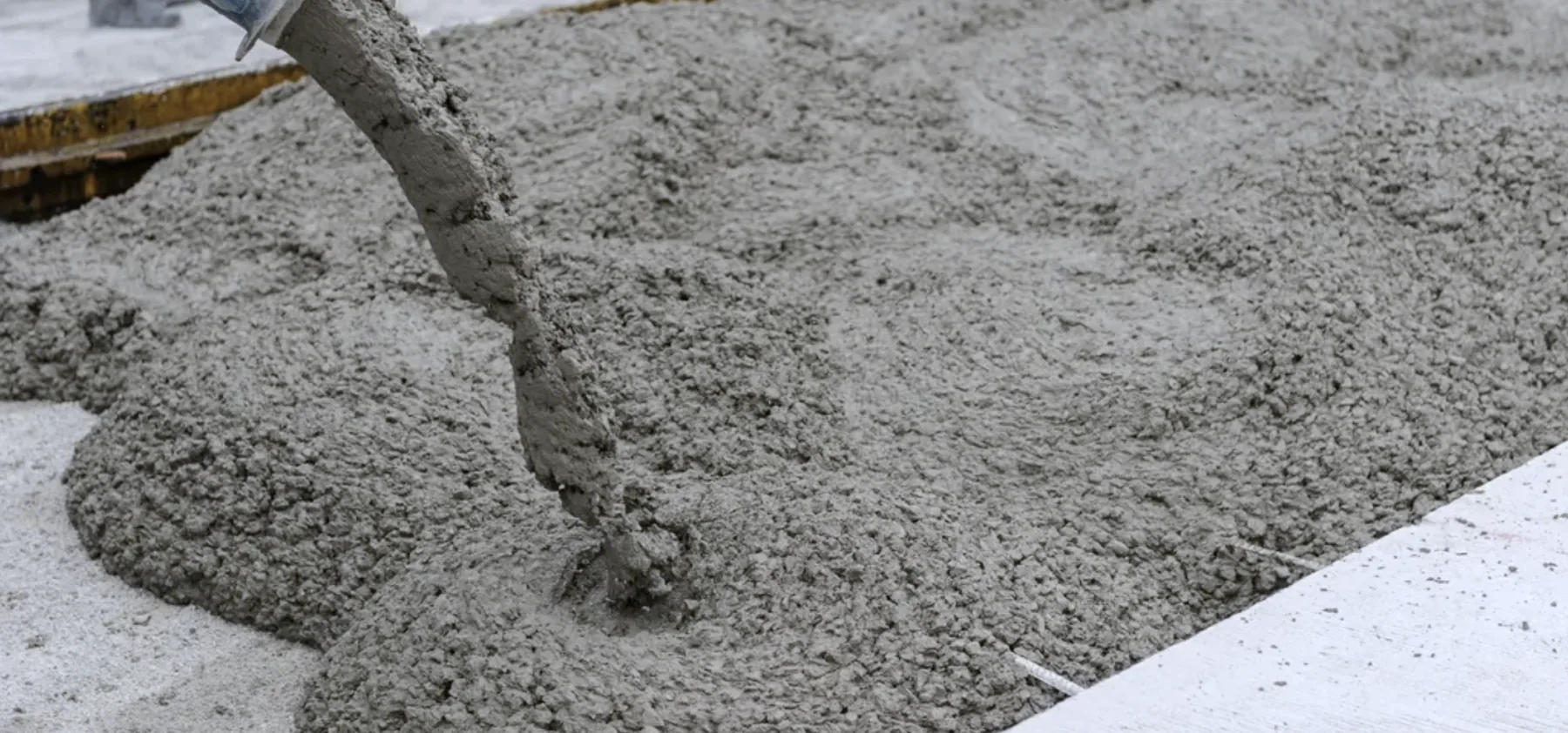
PreCarb™ and field services
In-truck treatment that turns returned concrete into CarbonRock feedstock instead of waste.
For ready-mix fleets
Protected technology
Patent-pending technologies across feedstock preparation, carbonation and continuous processing.
Continuous granular processing
US 2026/0062349 A1Scalable continuous processing at commercial throughput.
Valve-free carbonation
US 2025/0325949 A1Lower-complexity carbonation with fewer moving parts.
PreCarb™ preparation
US App. 64/124,687Creates higher-value feedstock from returned wet concrete.
Let’s talk
Ready-mix and precast producers, concrete recyclers and investors: we’d like to hear from you. Technical, performance and IP materials are available on request.
CarbonRock Aggregates
8735 Dunwoody Place, Suite N
Atlanta, GA 30350